7 Common Accessory Mistakes and How to Avoid them
.png)
The final details that elevate an ensemble from mediocre to spectacular are accessories. But some errors can make you look less attractive overall. Here are seven typical accessory errors to steer clear of.
1. The excessive use of accessories
Problem: An excessive number of accessories can overpower your ensemble, giving it a disorganised and distracting look.Solution: Adopt the "less is more" mentality as a solution. Make sure the one or two statement pieces you choose to emphasise go well with your overall style without drawing undue attention to themselves. For instance, to keep things balanced, think about omitting the necklace if you're sporting bold earrings.

2. Incongruous Metal
Problem: Divergent metal tones in earring accessories can give the impression that they are not coordinated.
Solution: I choose accessories from the same metal family in an effort to maintain consistency. If you like to mix metals, do it with intention by picking pieces that complement one another to create a unified aesthetic.
3. Ignoring the upkeep of accessories
Problem: Earrings that are tarnished, frayed, or worn out can instantly make your overall look feel less polished, even if the rest of your outfit is well put together. Small details like jewelry often go unnoticed when they’re in good condition—but stand out in the wrong way when they’re not.
Fix: Check your accessories frequently for wear and tear. To maintain a polished appearance, clean jewellery as directed by the manufacturer, store items correctly to prevent tangling or tarnishing, and replace or repair pieces as necessary.
4. Disregarding proportions
Problem: Visual harmony can be upset by accessorising in a way that is out of proportion to your body size or the scale of your ensemble.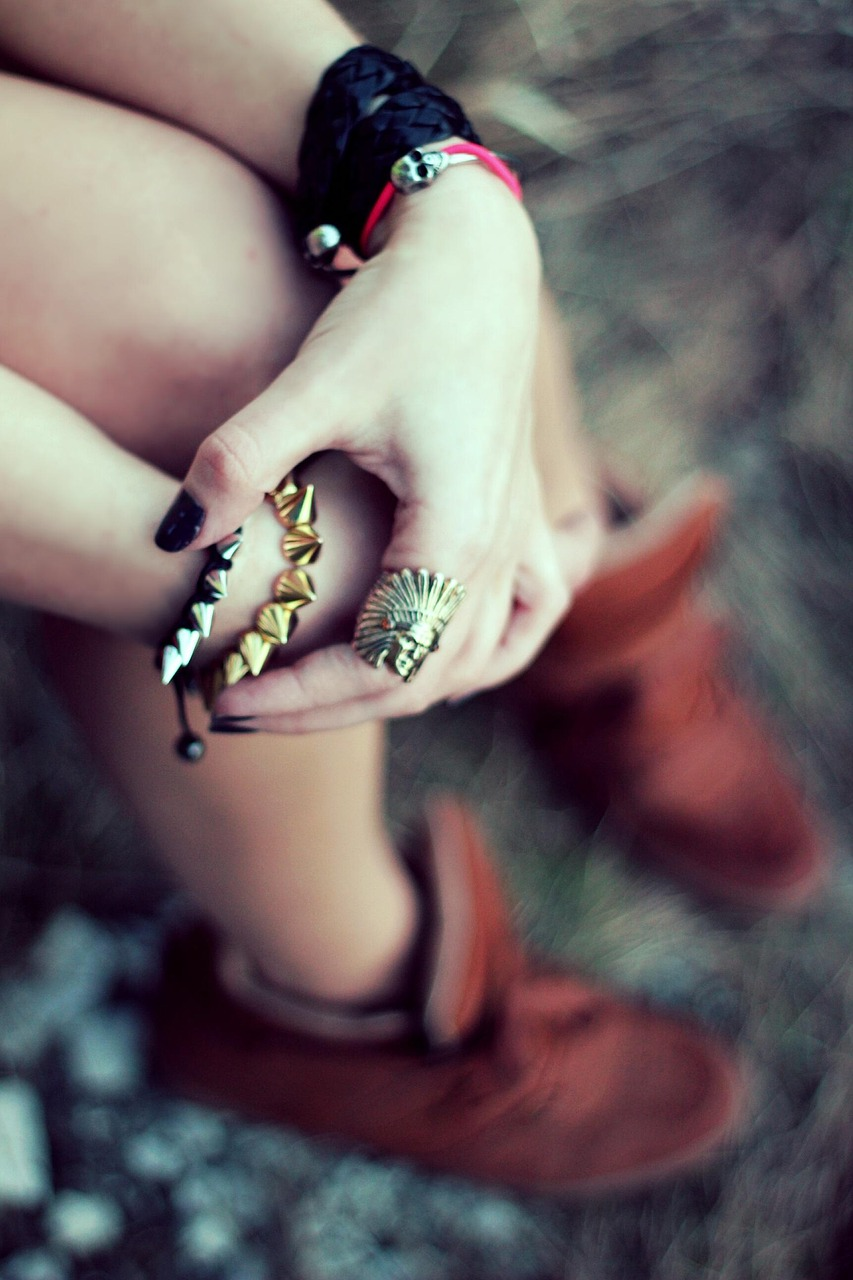
5. Accessorising improperly for the occasion
Issue: You might look uncomfortable if you wear accessories that are too formal or too casual for the situation.
Solution: When selecting accessories, take the venue and dress code into account. Wear sophisticated accessories for formal events, like a classic watch or pearl earrings. Select more laid-back pieces for informal settings, such as stud earrings or a basic bracelet.
6. Patterns and Colours Clashing
Issue: Visual discord can result from accessories that don't match the colorus or patterns of your ensemble.
Solution: Learn about colour theory so that you can choose accessories that go well with your ensemble. For instance, a harmonious appearance can be achieved by combining colours that are analogous that is, adjacent to one another on the colour wheel. Combine patterns with similar colour schemes to keep them cohesive.
7. Neglecting Useful Accessories
Problem: Your ensemble may not be as functional if you only pay attention to ornamental pieces and disregard functional ones.
You can elevate your overall style and present a polished, cohesive image by being mindful of common accessory mistakes and applying simple, thoughtful fixes. Small adjustments—like choosing the right size, keeping pieces well-maintained, and matching them to your outfit—can make a noticeable difference in how put-together you appear.
Accessories should work together to complement your look, not compete for attention. When you avoid over-accessorizing, select pieces that suit your proportions, and keep everything clean and in good condition, your outfit naturally feels more refined and intentional.
By paying attention to these details, you create a sense of visual harmony that reflects confidence and good taste. In the end, it’s not about having more accessories it’s about choosing and styling them wisely to enhance your overall appearance.
.png)

